
Home
The trade, the suburbs and the phone, on the first screen. After-hours is on that screen only if the business answers.
The person who needs the work is ready to call. The site has to show the trade, the suburbs, and one way to ask for a quote.
HSJ Host is an Australian team. We build the site, host it, and change it when the suburbs or the photos change. Most tradie businesses start with five pages.

What the first screen has to do
Name the trade, name the suburbs, and put the phone where a thumb can reach it.
A website for tradies is the business’s own site. It names the trade, the suburbs, the phone, and a form for a quote. Hipages, Airtasker and “find a tradie” are directories, where someone looks for a tradesperson. This is not one of them.
The person searching already knows they need the work done. The site’s job is to make the call or the quote request obvious, on a phone, without a second page of reading.

The sites that get the call have the same pieces. A visitor can name the trade, see the area and reach the business without hunting. After-hours, if the business offers it, goes on the first screen with the phone.
A page of slogans does not do that. Neither does a gallery of work the business did not do. The six pieces below are the brief. The first screen carries the ones a person needs before they scroll.
The name on the van and the invoice, written the same way in the header and on the contact page.
The work in the customer’s words. A business that does one job says that job. It does not list work it does not do.
The suburbs or towns the business travels to, as one list. A separate page for every suburb is not this site.
The number is a link on a phone. It sits in the header, on the first screen and on the contact page. The same number in all three.
Name, phone, suburb and the job. Four fields. A long form loses the person standing in a driveway.
Photos of work this business finished, with a caption that names the job. A licence or registration number, if the business has one, sits next to the phone.
Most of the visit happens on a phone, and most of it is decided before the second scroll. If the trade, the area and the phone are under a large photo with no words, the person leaves.
1
Say the work in the customer’s words, not a slogan.
2
Name the suburbs or towns the business covers.
3
A number that taps to call, large enough to hit.
4
One line, and only if someone actually answers.
5
One button to the form. Not a row of equal links.
A plumber website names the work and the suburbs. Hot water, blocked drains and bathrooms are the usual split, plus whether the business takes urgent calls. Those lines belong on the one site. A separate page for every suburb is not the brief.
The services page uses the customer’s words. Hot water is one line. A blocked drain is another. A bathroom is a third, when bathrooms are part of the work. Urgent calls are named only if someone answers them. The suburbs sit on that same page as the area covered, not as a menu of towns.
If the business holds a licence or registration number, that number goes on the site next to the phone. We do not invent one, and we do not give plumbing advice.


An electrician website names the electrical work, the suburbs and the phone. Customers expect the licence number on the site. Put the number the business already holds, where it can be read without opening a menu.
Name the work on the van: a switchboard, lighting, power points, smoke alarms, or the mix the business actually does. Leave off the jobs it does not take. The licence number sits with the phone number, because that is where people look before they call.
The suburb rule is the same: one list for the area the business travels to. Do not publish a page per suburb. This is not a page for an electrical association.
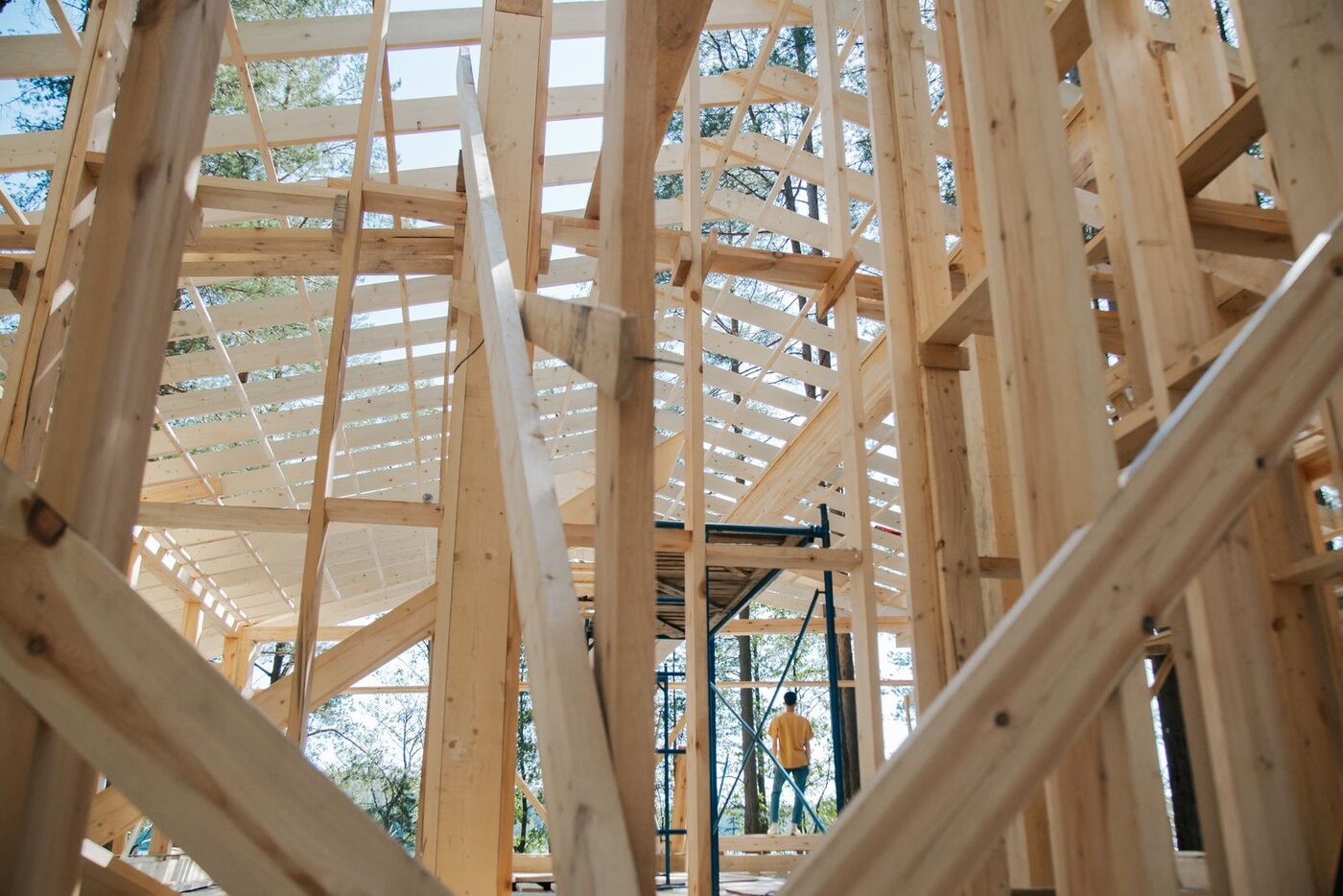
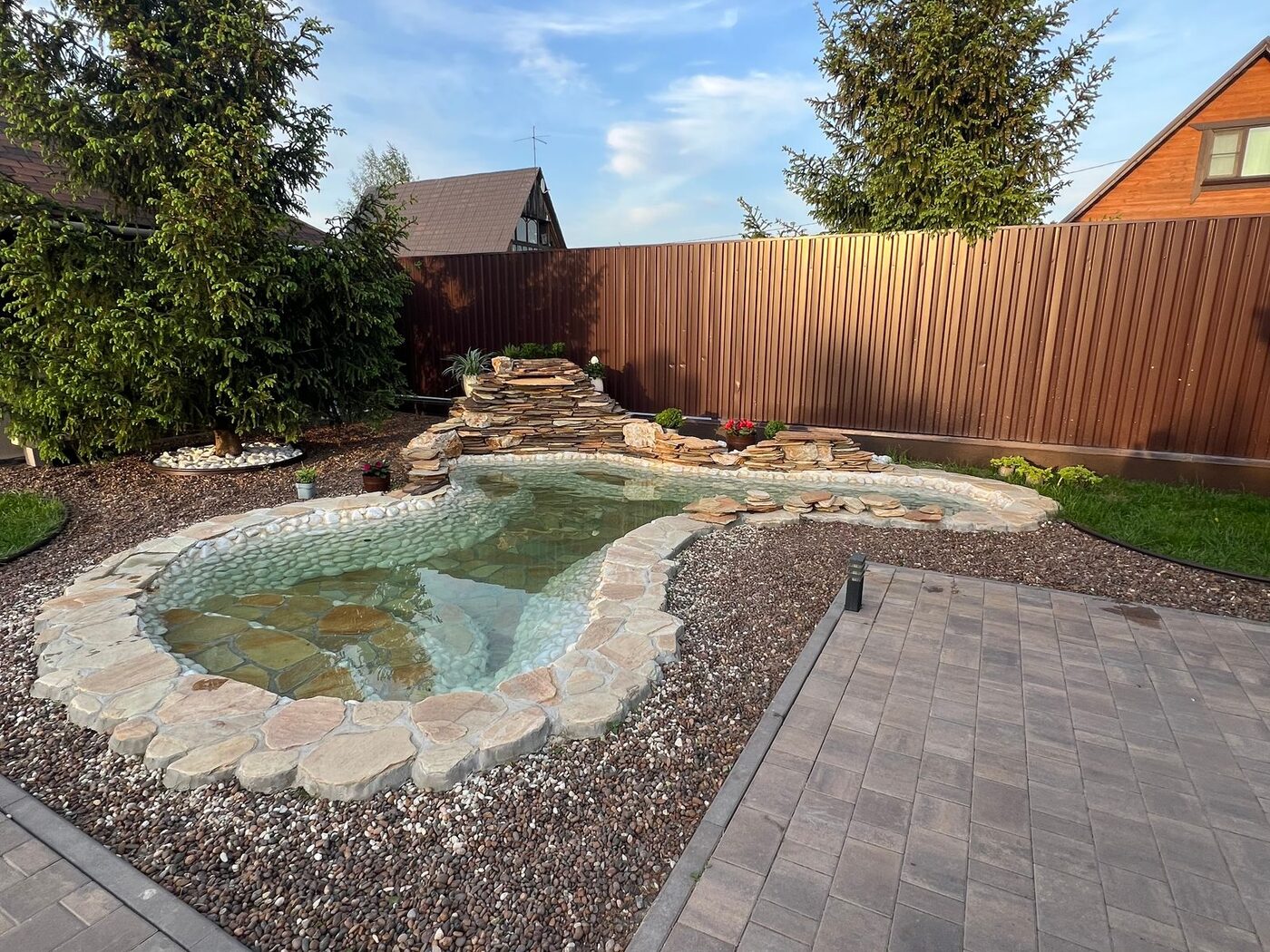
The proof is the photos of finished work. This is a site for a building or landscaping business: the jobs, the area, and how to ask for a quote. A roundup of other companies’ projects does not belong on it.
A building business shows the frame, the finish and the kind of job. A landscaping business shows the yard it finished: paving, planting, a retaining wall, the work it does. Caption the photo with the job. If a before-and-after pair exists, use the pair.
The business supplies the photos it can stand behind. We put them next to a plain description, so a visitor can see the kind of work before they call.
Home, services, about, work and contact. That is the lead offer. The fixed price is $3,500 including GST, delivered in 30 days. Hosting, one domain and the page copy are included.
You send the trade, the suburbs, the phone, the photos, and any licence wording the business already uses. We write the five pages in plain language and put the phone and the form where a thumb can reach them.
The full scope of that package is the 5-page business site.
Fixed-price package
$3,500
Including GST
The trade, the suburbs and the phone, on the first screen. After-hours is on that screen only if the business answers.
Each line of work in the customer’s words. Hot water is not the same job as a blocked drain. A switchboard is not the same job as a light fitting.
The business name, how long it has traded, who turns up, and the licence or registration number it already holds.
Photos of this business’s finished jobs, each with a plain caption. Photos of another company’s work do not go here.
The same phone number, a four-field quote form, and the suburbs the business actually travels to.
Five pages is enough when the business can explain the work once. It gets bigger when urgent jobs have to be sorted from booked work, when each service needs its own photos, or when the name and the look should not come from a shared layout.
That work is a larger custom site, quoted from $5,000 including GST. If the build has to be WordPress, that is custom WordPress work.
Those pages carry their own scope. This page stays the five-page tradie site.


New suburbs, new photos, a changed phone number. The suburb list has to change when the van covers a new area. A finished job needs a photo on the work page. A new number has to replace the old one in the header, on the first screen and on the contact page. The site goes quiet when nobody does that.
ongoing website care is the follow-on: the same team changes the live site after launch. Hosting is billed on its own.
Short answers. The fixed price is $3,500 including GST.
The trade, the suburbs, a tap-to-call number, a quote form, photos of the work, and the licence number if the business has one. Those six belong where a person on a phone can see them without opening a menu.
The same tradie site, with the plumbing work named: hot water, drains, bathrooms, and urgent calls if that is the business. The suburbs are one list on that site. It is not a separate page for every suburb, and it is not plumbing advice.
The electrical work the business actually does, the suburbs, the phone, and the licence number customers expect to see. The number sits with the phone, not in a footer.
No. A free template is a file you still have to write, host and change. A website builder for tradies is a tool you set up yourself. The offer on this page is the 5-page site, written and published in 30 days, for $3,500 including GST.
No. Those are places people go to find a tradie. This is the website the tradie’s own business owns: the trade, the suburbs, the phone and the photos of its own jobs.
The 5-page offer is delivered in 30 days, at $3,500 including GST, once we have the trade, the suburbs, the phone and the photos. A larger site takes as long as the extra pages and design take, and is quoted from $5,000 including GST.
No. Name the suburbs the business travels to, as one list, on the home page and the contact page. A page for every suburb is a different project, and it is not this one.
The trade, the suburbs, the phone number, photos of finished jobs, and the licence or registration wording if the business already has it. We write the five pages from that.
Say the trade and the suburbs you cover. We will tell you whether five pages is enough, or whether the job belongs on a larger build.